School Collection Services
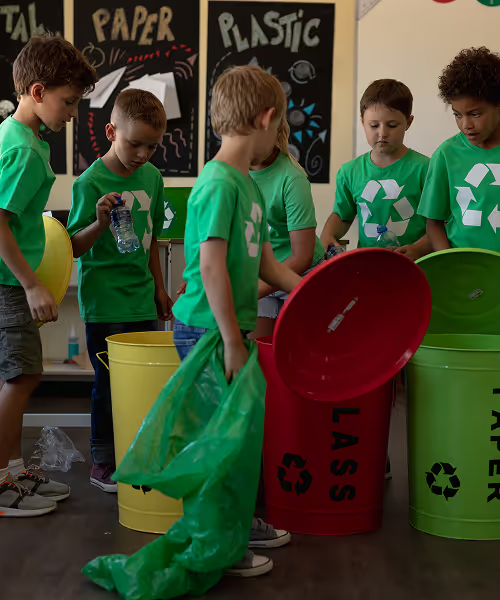
We’re here to support your school in starting, enhancing, or upgrading it's compost, recycling and waste reduction programs.
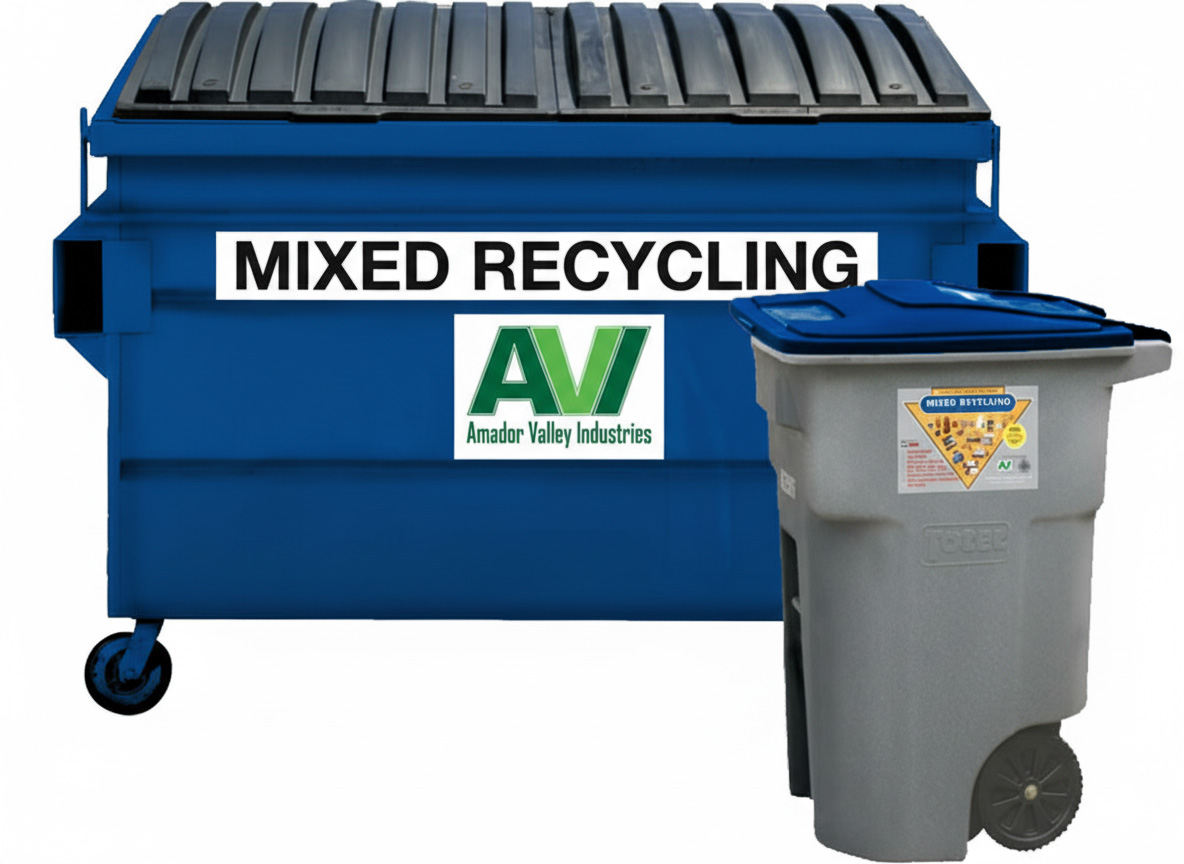
Schools can choose from tailored collection services designed to fit their needs.
Garbage Disposal Guide
California State law (SB 1383) requires that residents properly sort recyclable and compostable materials out of landfills to reduce emissions that contribute to climate change. Please review the acceptable and unacceptable materials for each below.
Hazardous materials do not belong in the garbage, recycling, or compost containers. Containers found to have these materials will not be collected until such materials are removed.
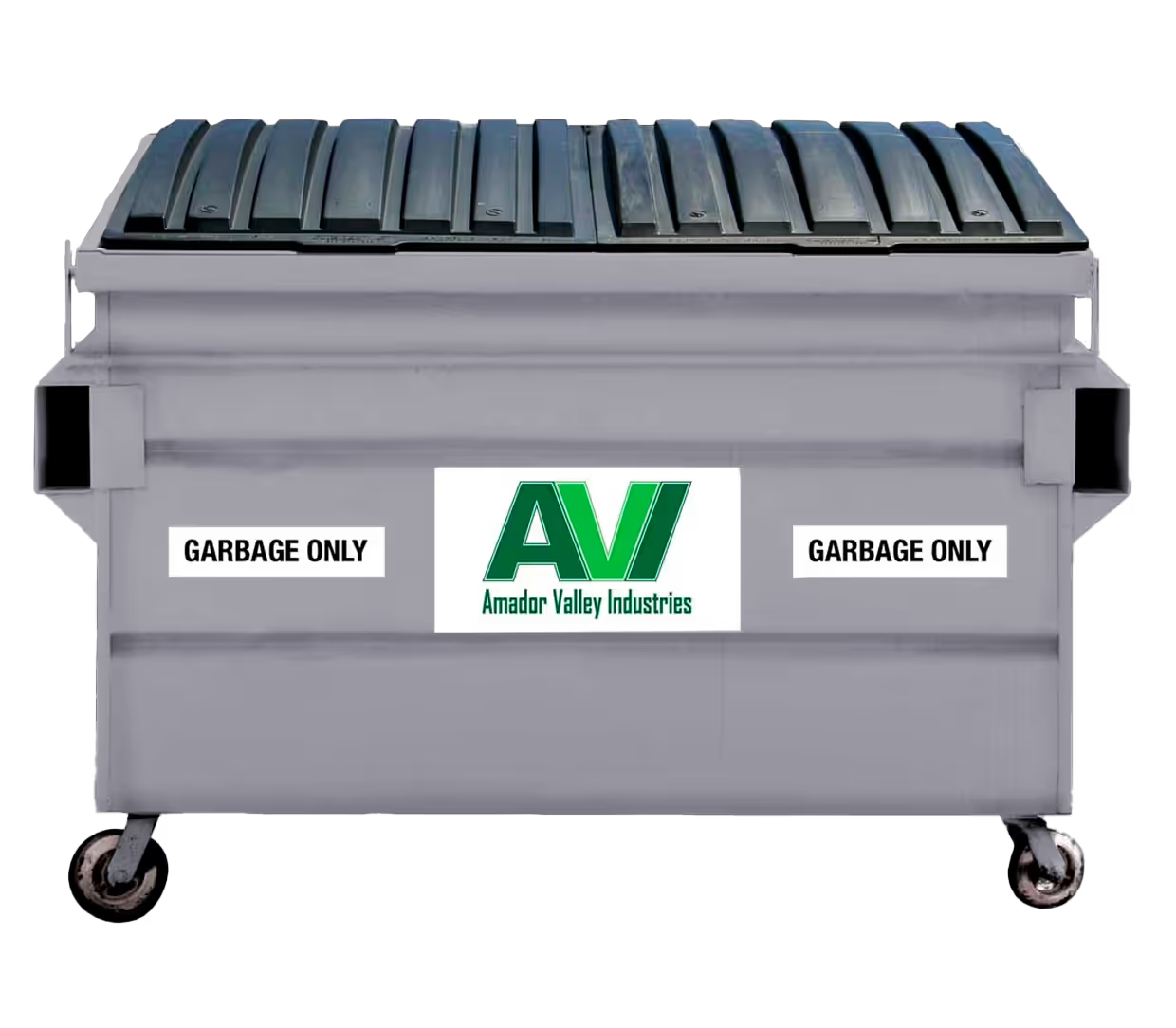
Acceptable Materials in the Garbage
Please bag items to avoid litter and stormwater pollution.
- Broken glassware
- Ceramic dishware or glassware
- Diapers
- Expanded polystyrene/Styrofoam
- Foil-lined or plastic-lined paper
- Juice or milk cartons (plastic lined)
- Non-recyclable plastics
- Pet waste
- Plastic bags, wrappers, and film
- Plastic utensils and straws
- Plastic-lined paper
Unacceptable Materials in the Garbage
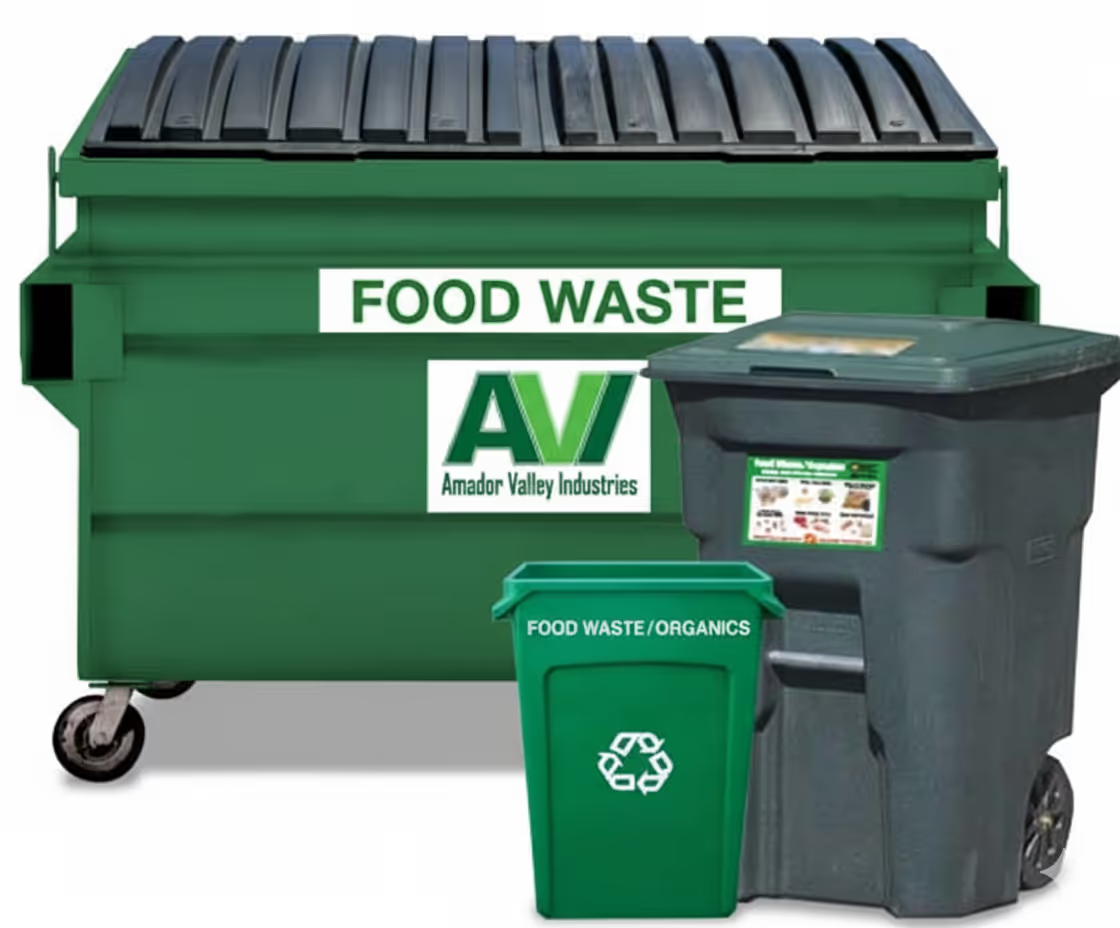
Please keep these items out of the garbage cart!
- Appliances
- Batteries of any kind or size (place in a clear sealed bag on top of the recycling cart)
- Construction debris
- Dirt, rocks or stone
- Electronics (E-waste)
- Flourescent or LED light bulbs
- Food scraps, food soiled paper, or yard trimmings
- Household hazardous waste or chemicals
- Motor oil
- Paints
- Recyclables
- Syringes or needles (sharps)

Compost Guide
Please place compost or organics loose, wrapped in newspaper or in a paper bag in the cart.
Acceptable Materials in the Compost
Food Scraps
- Bread
- Cheese
- Coffee grounds and filters
- Egg shells
- Fish and shellfish
- Fruit (including pits)
- Grains and pasta
- Meat (including bones)
- Vegetables
Food Soiled Paper
- Coffee filters
- Paper bags, napkins, and towels
- Paper cups and plates
- Paper take-out boxes and containers
- Paper tea bags
- Waxed cardboard and paper
- Wine corks
Yard Waste
- Branches and twigs (up to 4 inches in diameter)
- Clean untreated wood scraps
- Flowers and floral trimmings
- Grasses and weeds
- Leaves
- Tree trimmings
Unacceptable Materials in the Compost
Please keep these items out of the compost cart!
- Appliances
- Batteries of any kind or size (place in a clear sealed bag on top of the recycling cart)
- BPI certified compostable plastics/"Biodegradable" plastics
- Construction debris
- Cooking oil
- Dirt, rocks or stone
- Electronics (E-waste)
- Flourescent or LED light bulbs
- Household hazardous waste or chemicals
- Motor oil
- Paints
- Recyclables
- Rubber gloves
- Syringes or needles (sharps)
- Treated wood

Recycling Guide
WARNING! It is illegal to dispose of hazardous materials in garbage or recycling containers (see below for prohibited items).
Improperly disposing of hazardous and toxic waste can result in serious harm to the health of people, pets, wildlife, and our environment.
Containers found to have these materials will not be collected until such materials are removed.
Acceptable Materials in the Recycling
Please place recyclables loose in the cart.
Paper
- Cardboard
- Newspaper/magazines
- Office paper
- Packing paper or kraft paper
- Paper bags
- Paper egg cartons
Glass
- Glass bottles and jars.
Plastic
- Plastic containers
- Jugs and tubs #1-#7
Metal
- Aluminum cans
- Aluminum foil & trays (clean)
- Empty aerosol cans
- Steel and metal cans
Unacceptable Materials in the Recycling
Please keep this items out of the recycling cart!
- Appliances
- Batteries of any kind or size (place in a clear sealed bag on top of the recycling cart)
- Electronics (E-waste)
- Flourescent or LED light bulbs
- Food scraps, food soiled paper, or yard trimmings
- Household hazardous waste or chemicals
- Motor oil
- Paints
- Plastic and wire hangers
- Plastic bags and flimsy plastic
- Plastic lined paper/cartons
- Recyclables
- Rubber gloves
- Syringes or needles (sharps)

School Collection Program Rules
- Dublin Municipal Code requires business to keep all containers in a clean and sanitary condition and for lids to be tightly closed when note in use.
- No overfilling of bins or carts. Lids must be able to close completely. Drivers will not empty any overloaded bins or carts.
- If you find your containers are regularly overloaded, please call AVI to increase service.
- Keep the lids closed at all times. Check your containers to make sure lids are tightly fitted to prevent scattering by birds, breeding of flies, or rodents and rainwater from entering your bins.
- AVI will exchange dirty containers once per year for commercial accounts.
All School Services
AVI is proud to partner with schools across Dublin to provide comprehensive recycling, composting, and garbage collection services. Our programs are designed to help students, teachers, and staff reduce waste, protect the environment, and support California’s sustainability goals—right from the classroom to the cafeteria.